- Home
- Hardware
- SDKs
- Cloud
- Solutions
- Support
- Ecosystem
- Company
- Contact


news
ESP32 Powers the Muse Gadgets Ecosystem: Personal AI Meets Interactive Hardware
Shanghai, China
Oct 19, 2026
Meta's open-source Muse Gadget SDK supports building interactive hardware on ESP32. The Home Link device is built on ESP32-C5, and several development boards and devices featured on the Muse Gadgets website are based on ESP32-S3. Based on the new ESP32-S31, ESP-Mosaico provides a great platform for Meta Muse gadgets, and Espressif will be sharing demo concepts soon.
Meta has recently open-sourced the Muse Gadget SDK, which includes an ESP32 Device SDK for the Espressif Systems (688018.SH) ESP32 platform, enabling developers to connect Muse, Meta's personal AI agent, to physical devices. From home-connectivity devices to portable interactive terminals, ESP32 series SoCs provide many options for Muse hardware with wireless connectivity, display output, and voice interaction.
ESP32: A Physical Gateway for Muse
Muse is designed to help users handle tasks, advance projects, and turn long-term goals into actionable plans. The Muse Gadget SDK gives that assistance a physical presence: developers can add displays, buttons, sensors, and other peripherals, turning everyday devices into interfaces for their personal AI.
The ESP32 Device SDK is built on Espressif's ESP-IDF development framework, and the open-source repository provides firmware, build instructions, and configurations for multiple development boards. Developers can start from the existing implementations, adapt them to their own hardware, and progressively build out interactive Muse devices. Depending on each board's hardware capabilities, a device can render images sent by Muse, show its running status, or start a voice interaction at the press of a button.
Espressif SoCs Across Diverse Device Forms
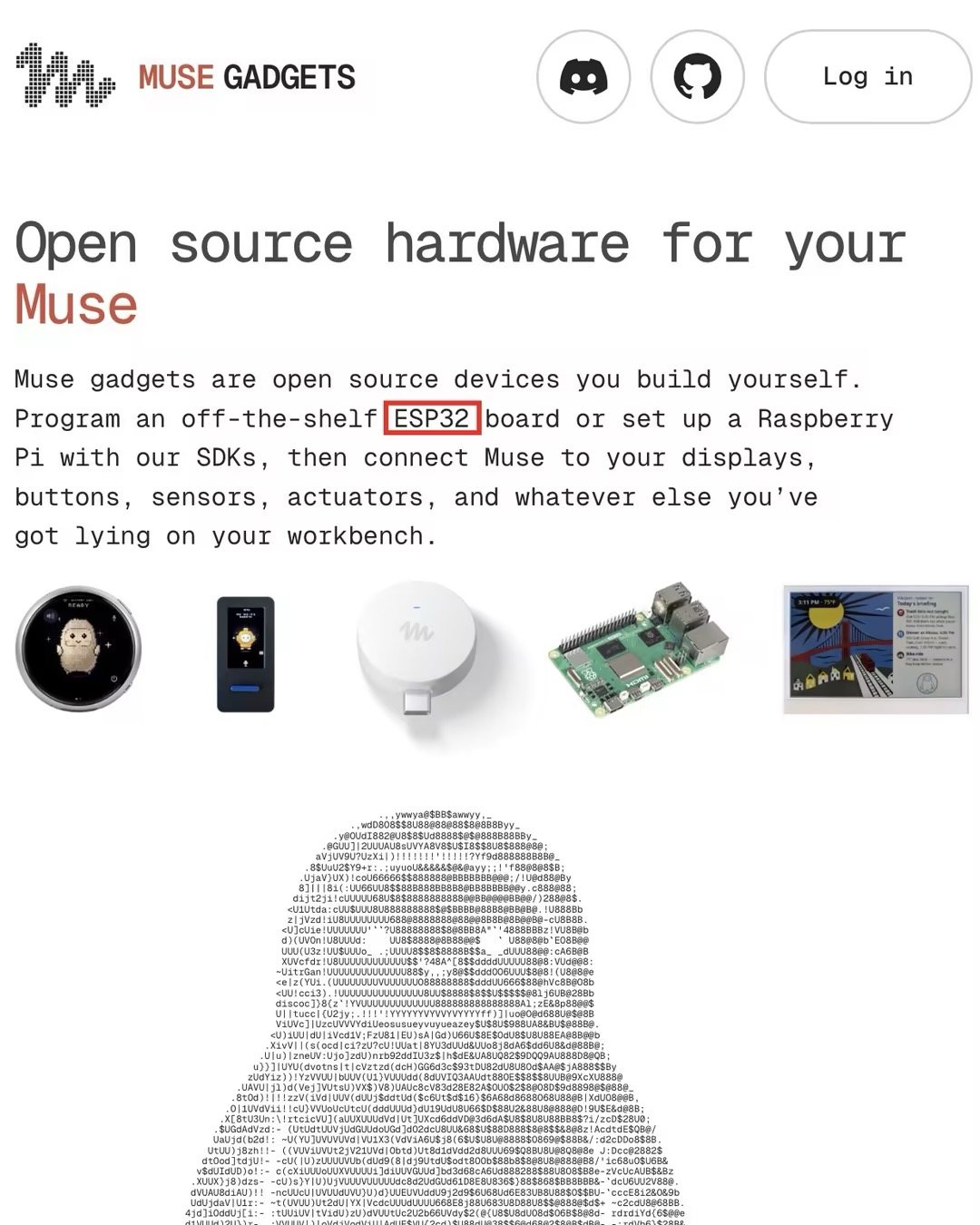
Home Link is a USB-C home-connectivity device showcased on the Muse Gadgets website. It is built on ESP32-C5, which supports dual-band 2.4 GHz and 5 GHz Wi-Fi 6. Working with the local HTTP APIs of compatible devices and the corresponding community skills, Home Link helps Muse reach devices on the home network, providing a connectivity entry point for interacting with lights, TVs, and more.
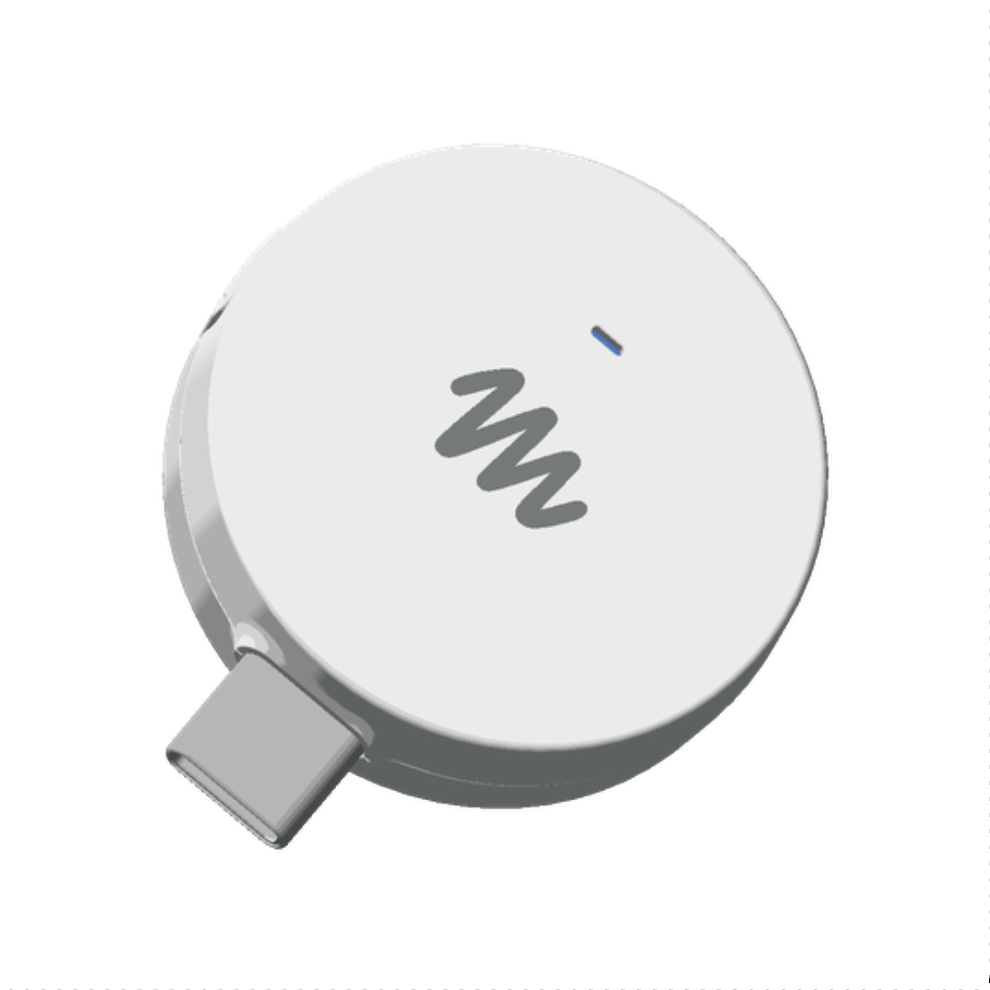
Muse Home Link, built on ESP32-C5, connects Muse to compatible devices on the home network
Espressif is also working on Matter support for Meta Muse, adding Matter controller capability to ESP32-based devices so that Muse can discover, commission, and control compatible Matter devices — further extending personal AI into smart-home scenarios.
The developer hardware featured alongside Home Link spans portable display terminals, voice-interaction devices, and e-paper displays — many of them currently based on ESP32-S3.
M5Stack StickS3 is built on ESP32-S3 and combines a compact color screen with physical buttons; it can display Muse's status and images and start voice interactions at a button press. The Waveshare ESP32-S3-Touch-AMOLED-1.75C pairs a round AMOLED touch screen with audio hardware, supporting both on-screen feedback and voice interaction.
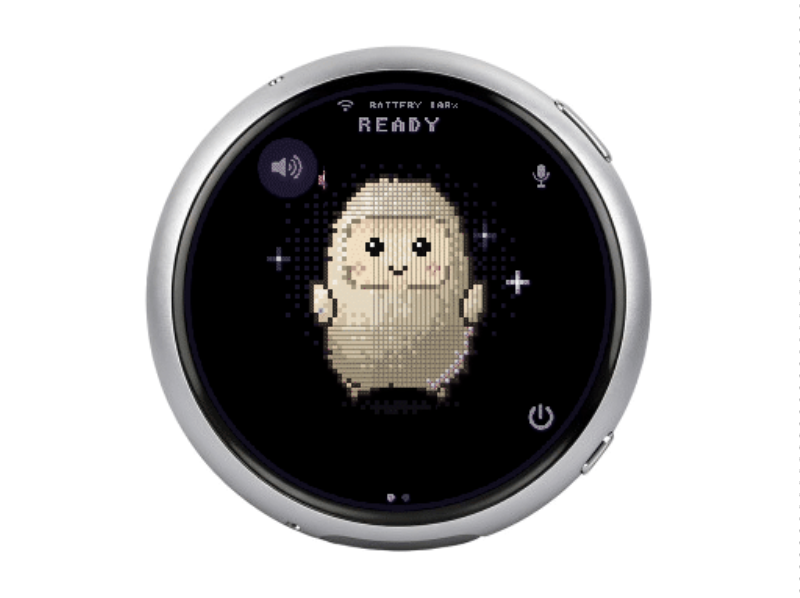
The Waveshare round AMOLED terminal, based on ESP32-S3, displaying the Muse interface
Seeed reTerminal E1002 is built on ESP32-S3 with a color e-paper display; the Muse Gadgets website showcases it as a hardware option for daily briefings, reminders, and shopping lists. With screens of different sizes, varied input methods, and multiple device forms, developers can choose the right hardware for their specific use case.
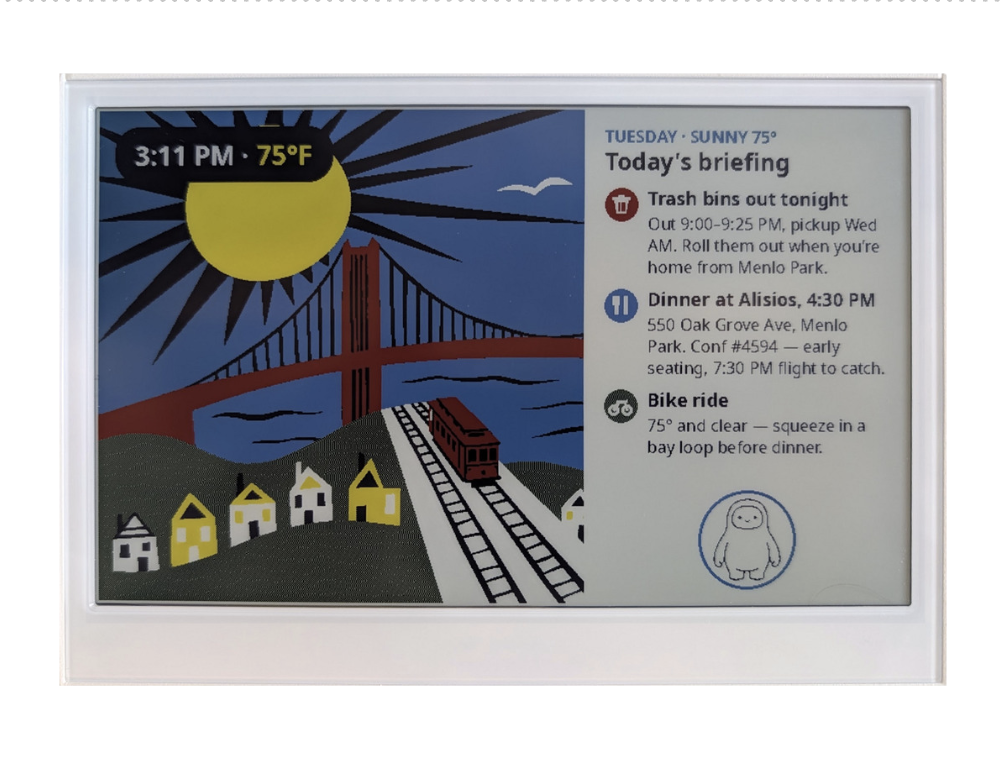
Seeed reTerminal E1002, based on ESP32-S3, showing a Muse daily briefing on its color e-paper display
Exploring Personal-AI Hardware with ESP-Mosaico
Espressif will soon be sharing Meta Muse demo concepts on ESP-Mosaico, exploring how a personal AI agent can interact with physical devices. Through these demonstrations, Espressif aims to give developers a more tangible view of personal AI in real hardware.
ESP-Mosaico is Espressif's modular development device for AIoT and embedded creation, offering a touch screen, audio interaction, and peripheral expansion. Combined with AI-assisted development tools, developers can design interactive interfaces, extend peripherals, and build custom applications on this platform, making the development and validation of AI hardware prototypes more intuitive.
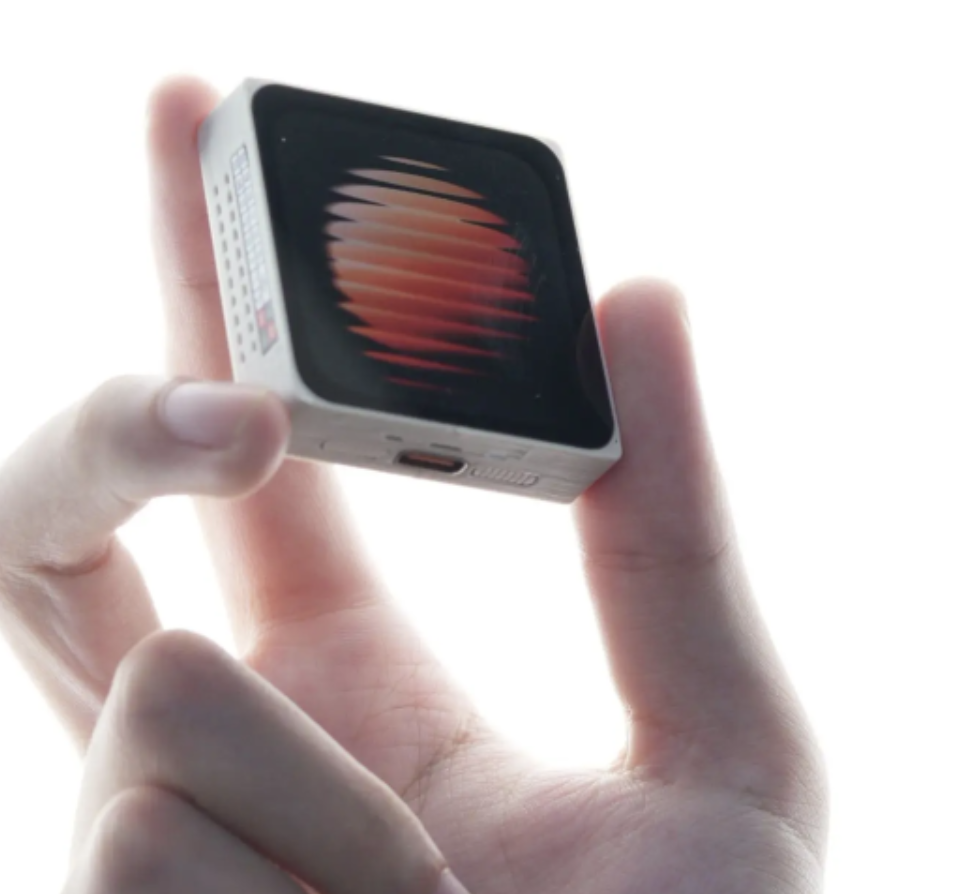
ESP-Mosaico, Espressif's ESP32-S31-based modular development device
From the open-source SDK to a diverse range of development hardware, the combination of Muse and ESP32 offers a practical starting point for bringing personal AI to physical devices. Espressif will continue to support developers with open-source software, development tools, and technical resources, helping turn more AI application ideas into working, interactive hardware prototypes.
About Espressif
Espressif Systems (688018.SH) is a public multinational, fabless semiconductor company established in 2008, with offices in China, the Czech Republic, India, Singapore and Brazil. We have a passionate team of engineers and scientists from all over the world, focused on developing cutting-edge Wi-Fi-and-Bluetooth, low-power IoT solutions. We have created the popular ESP8266, ESP32, ESP32-S, ESP32-C and ESP32-H series of chips, modules and development boards. By leveraging wireless computing, we provide green, versatile and cost-effective chipsets. We have always been committed to offering IoT solutions that are secure, robust and power-efficient. By open-sourcing our technology and solutions, we aim to enable developers to use Espressif's technology globally and build smart-connected devices. In July 2019, Espressif made its Initial Public Offering on the Sci-Tech Innovation Board (STAR Market) of the Shanghai Stock Exchange.
Share this article
 LinkedIn
-
 微信
微信分享
打开微信“扫一扫”,打开网页后点击屏幕右上角分享按钮  Twitter
 Facebook